Compassionate dyslexia assessments for children.
Clearer Insights into Brighter Futures

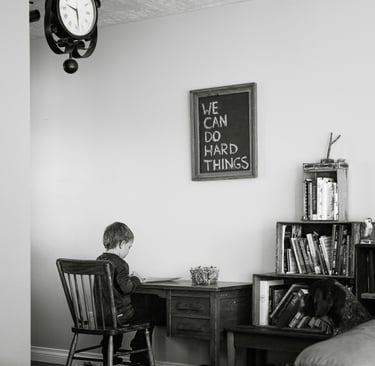
Compassionate, expert assessments, giving every child the understanding they deserve.
Bringing Clarity and Understanding
When a child struggles with reading or spelling, it can be confusing and frustrating — for both the child and their parents.
A dyslexia assessment isn’t just about finding a label, it’s about understanding your child more deeply and giving them the right kind of support to help them thrive
That understanding alone can be a huge relief, it replaces worry and guesswork with clarity and direction.
“Everyone is a genius. But if you judge a fish by its ability to climb a tree, it will live its whole life believing it is stupid.” - Albert Einstein
Understanding Dyslexia
Every child deserves to be understood and supported. At Clarity Dyslexia Assessments, I provide compassionate, expert dyslexia assessments for Hampshire, Berkshire and Surrey. My assessments don't just provide answers, they open doors. With clear guidance, practical recommendations and a caring approach, I help children, families and schools move forward with confidence knowing the next steps are clearer, and the future is brighter.
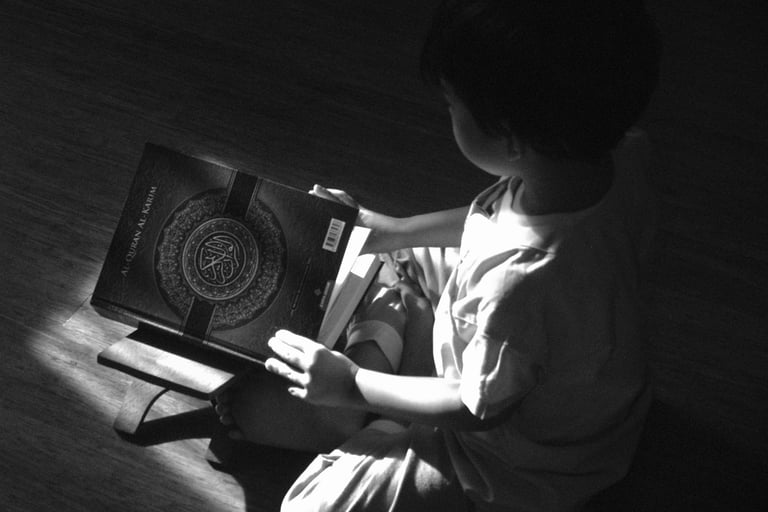
What is Dyslexia?
The Delphi Definition of Dyslexia
Dyslexia is a set of processing difficulties that affect the acquisitions of reading and spelling.
In Dyslexia, some or all aspects of literacy attainment are weak in relation to age, standard instruction, and level of other attainments.
Across languages and age groups, difficulties in reading fluency and spelling are a key marker of dyslexia.
Dyslexic difficulties consist on a continuum and can be experienced to various degrees of severity.
The nature and developmental trajectory of dyslexia depends on multiple genetic and environmental influences.
Dyslexia can affect the acquisition of other skills, such as mathematics, reading comprehension or learning another language.
The most commonly observed cognitive impairments in dyslexia is a difficulty in phonological processing (i.e. in phonological awareness, phonological processing speed or phonological memory). However, phonological difficulties do not fully explain the variability that is observed.
Working memory, processing speed and orthographic skills can contribute to the impact of dyslexia.
Dyslexia frequently occurs with one or more other developmental difficulties, including developmental language disorder, dyscalculia, ADHD, and developmental coordination disorder.
Carroll, J.,Holden, C.,Kirby, P.,Snowling, M.J., & Thompson, P.A. (2025). Journal of Child Psychology and Psychiatry
Contact
Get in touch
Phone
info@claritydyslexia.com
+44 1234 567890
© 2025. All rights reserved.
Clarity Dyslexia Assessments
Jane Ilott
jane.ilott1@gmail.com
Clearer Insights into Brighter Futures